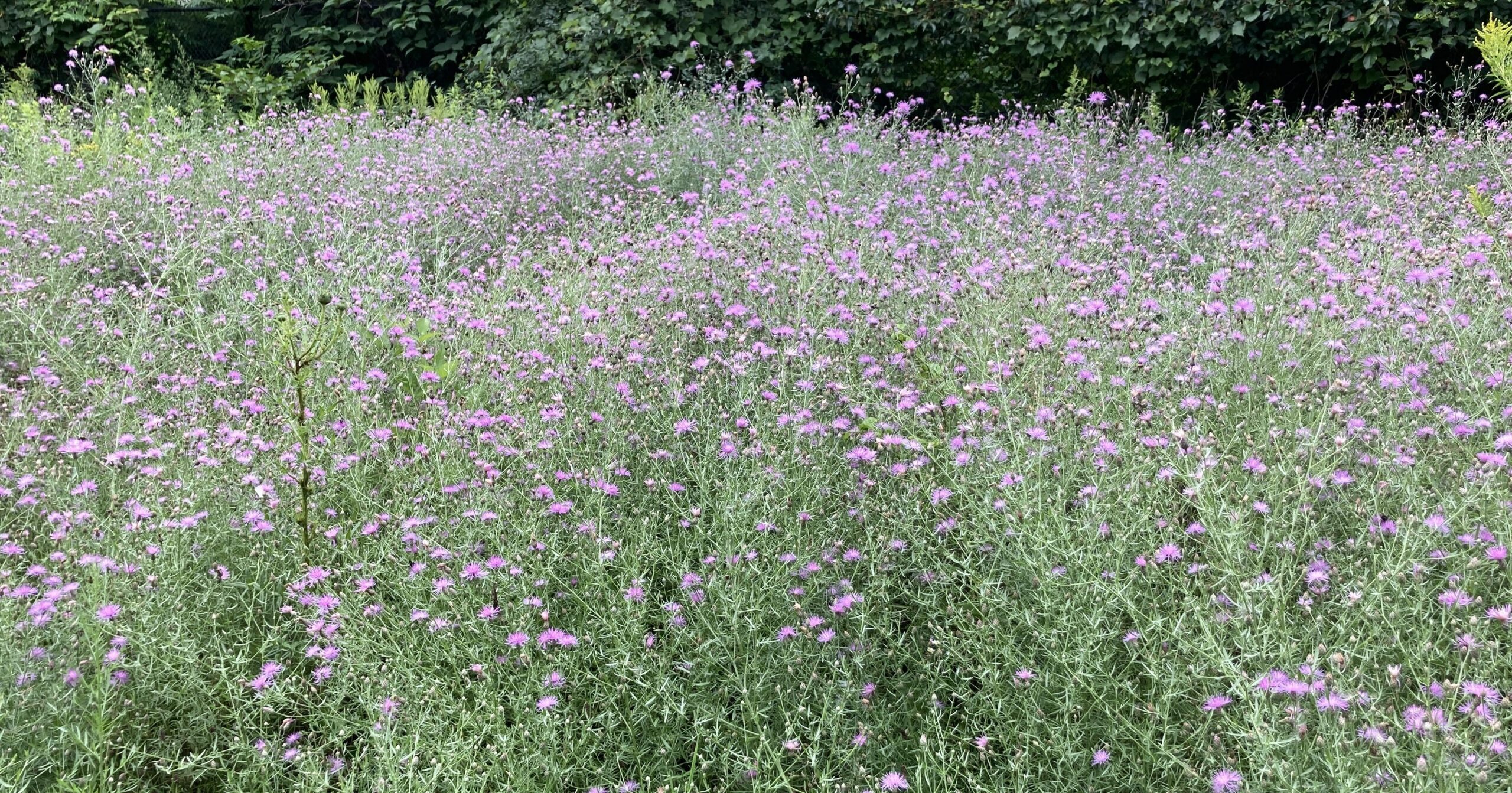
Rumi says that out beyond ideas of right-doing and wrong-doing there is a field. It’s where you finally can lie down and rest. Where blessedness takes you in its arms.
What in human experience is beyond all ideas, past wrong and right, happy and sad, positive and negative? Where is there a place past the reach of meaning, judgment, story — any story at all?
* * *
All our lives, one story gets replaced with another one, a better spin, a way of accounting for something. We want to have bearings, always.
What is it to be without bearings — gladly, and not in desolation, or terror?
What is it to be simply here, alive, aware, feeling? No mental filters, no box, no category, myth.
Why do we make all of that structure, do all that meaning-making? We can’t bear not to know. We can’t stand to bow to the radical absence of control, to confront the terror of uncertainty. So we make religions, frames of reference, ideologies, family legacies. We give names to things, ourselves included.
All a way of coping with the vast emptiness, with brevity.
What’s left when the artifice of meaning-making blows away in the storm of becoming free? What are you left with when everything’s bowed to?
* * *
That field, where stories do not flower, beyond the reach of idea and judgment, beyond meaning-making: why are they laughing there? They laugh with relief. With exultation, delight.
Virtue didn’t get them there, nor striving, nor good intentions. Work didn’t make a path to that field. Collapse did it, utter willingness to go into the dark, into the raw, terrifying absence of meaning.
Are you angry? Anger is never the real thing, ever. Anger is the armor. Underneath anger is the blind, furless, infant thing that has been poked and threatened and left to fend for itself.
Anger isn’t the authentic thing. It lives on the surface. Pay no attention to it. Go into the dark below it. Touch the raw nerve. Bow to that, to the broken heart, the loss that’s yet to be yielded to. Exhale into that grief, or you will be angry forever. Give yourself to the underlying pain, and anger becomes a distant memory, a bird gone over the horizon.
* * *
Why, in that field beyond right and wrong, are they dancing? Why don’t they appear heartless? Why don’t they believe in anything? Why has language abandoned their mouths?
They can see one another, but they cannot see themselves. When they reach to touch themselves, their hands go right through. They are free because there is no one to protect, to stand up for, assert, console, heal. Why would they need a story?
They did, for a time. They could not, then, imagine a time, a field, beyond that need. The need to feel okay about themselves, to justify and explain. The answer to fear was the search for safety. Security was the beloved. They lived in containers. For a time, there was that necessary consolation.
At some point the screws began silently, or noisily, to be backed out. The walls began to crumble, fall. Or to become transparent. Their “selves” no longer mattered to them. The surprise of it! Everything touched them but nothing became them. Nothing hard was held up to anything, like a shield. Their necks stayed bowed.
Why are they laughing? Have they forgotten about the aching world? Do they not care? They are laughing at themselves, for how seriously they used to take all of it.
* * *
A person can’t decide to toss a story overboard. It will resurface, reassemble itself, insist itself back into a container to occupy.
Still, it’s possible to see the story, to know it is artificial, to see its function is to protect, to hold away the unfelt thing. It’s possible to sense the moment when the story’s function grows thin, when its usefulness has been outlasted, and then — if the willingness is sufficient — it becomes possible to decline to scramble to do the story-maintenance. You can decline to scurry for tools and materials, thought patterns and definitions and memory. You can let yourself fall, feel, drop into the deepest abandon your weight can rush toward, down, down, without putting your hands out in the dark to feel for someplace to grab, without wondering where the bottom will turn out to be, or if you’ll ever see the light of day again.
How did you get here, to this field full of tenderness, this warm grass, where change is unceasing, and yet this utter stillness? This joy without a name?
* * *
I am so grateful to those of you who are able to make donations. They make a huge difference in my life. I also understand if you are not able. Times are tough for many. Take good care.